
Filter Bags

Contact Us
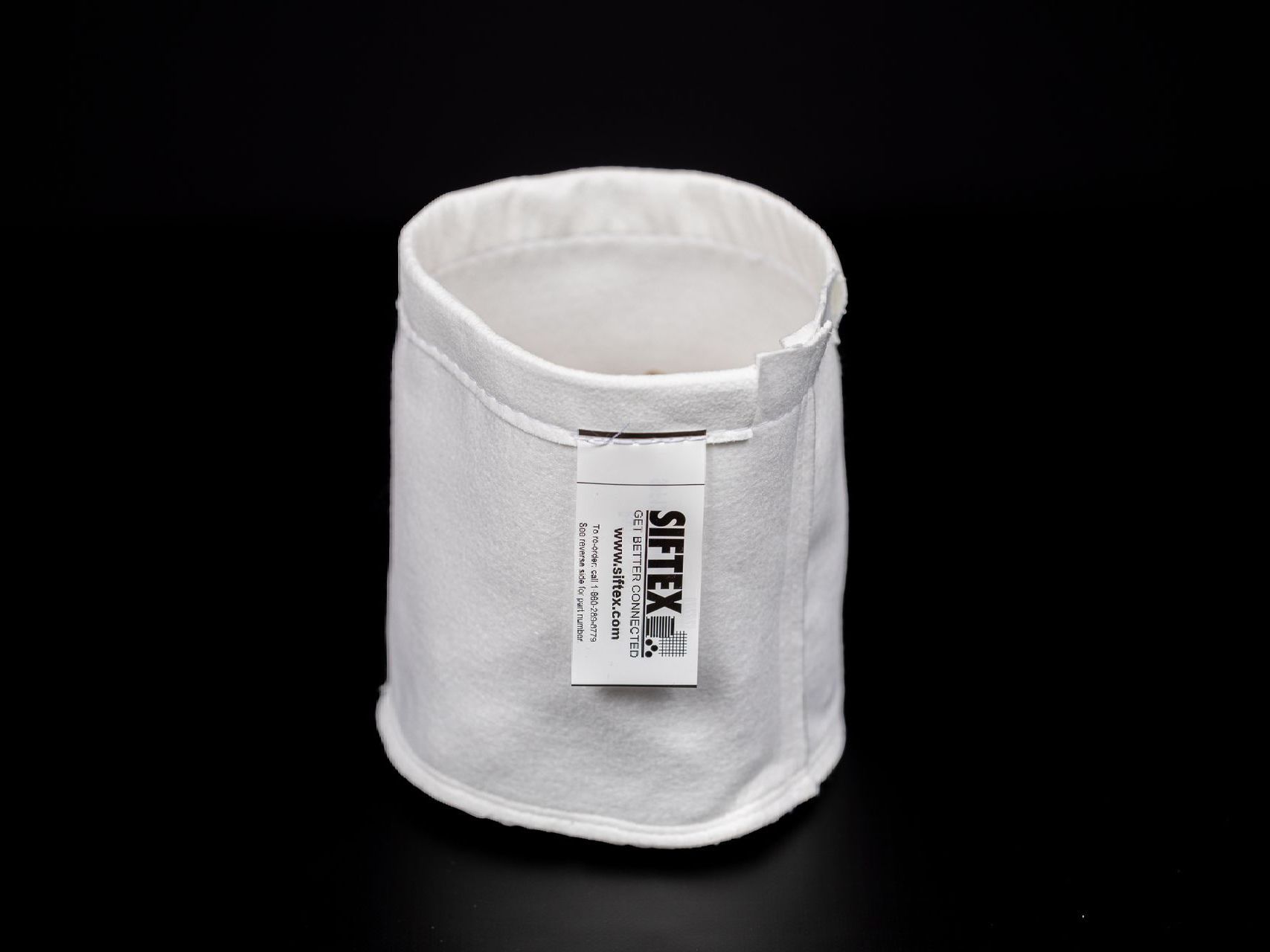
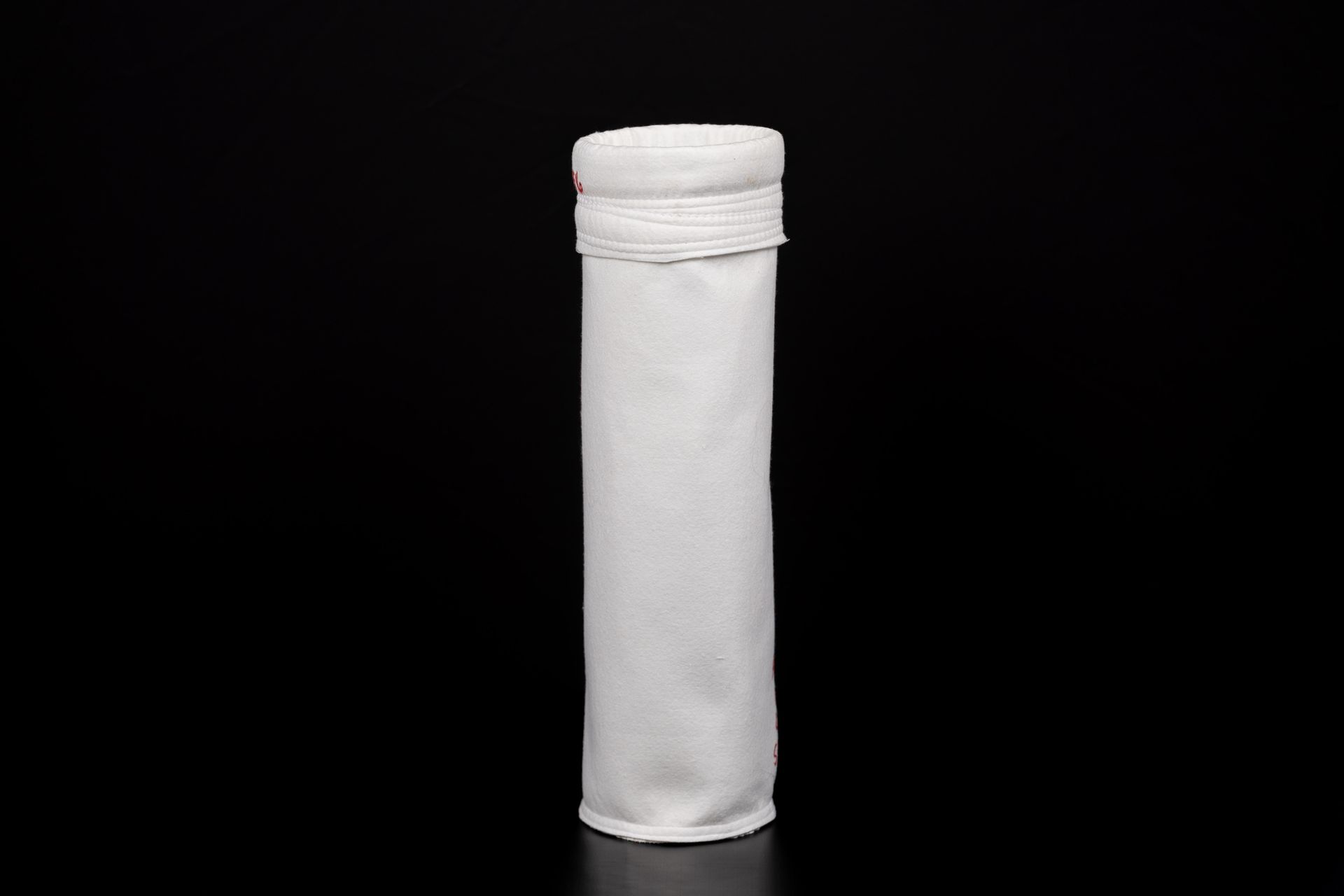
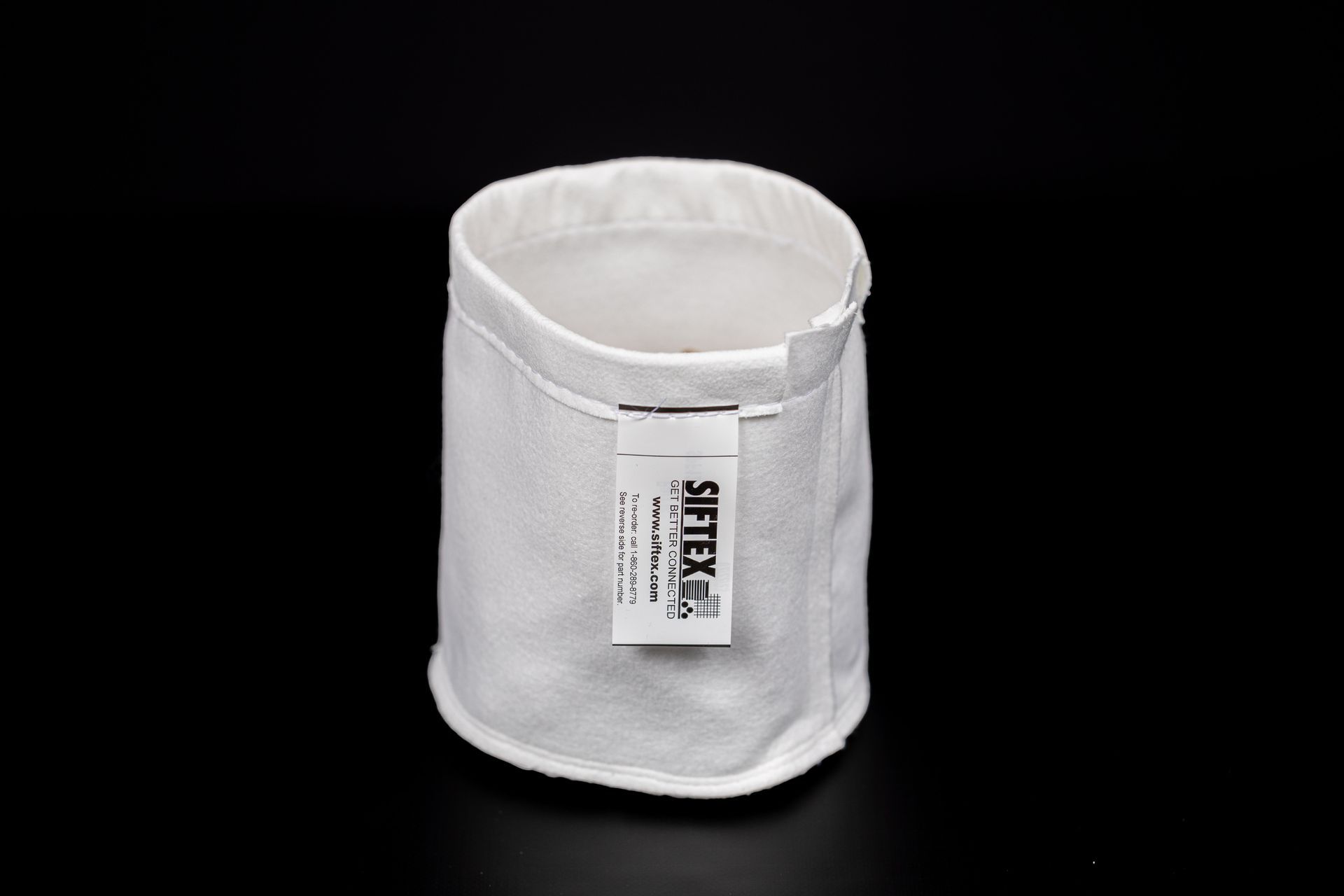
White cylindrical pill bottle or container on a black background

Description:

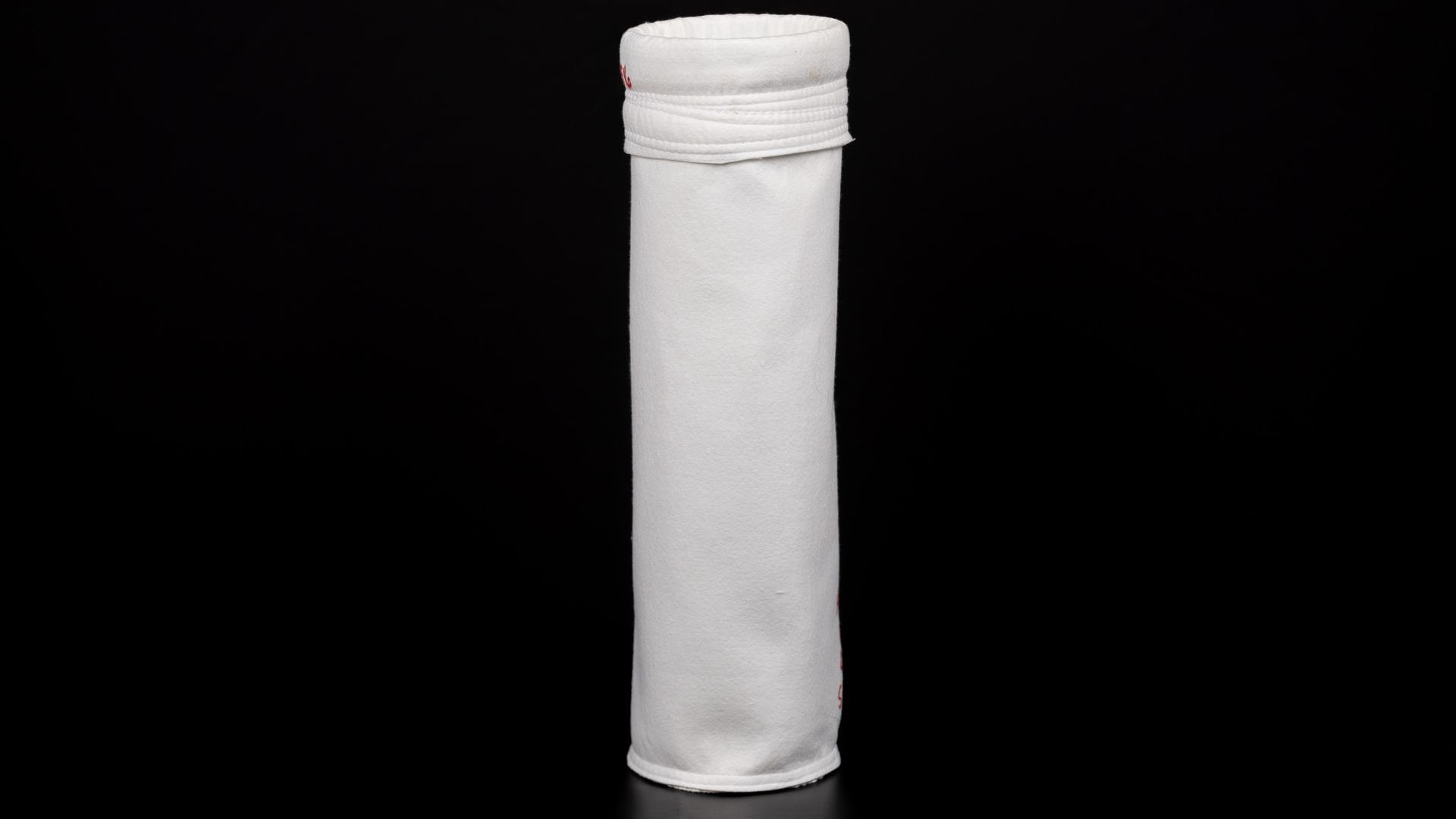
Filter bags are essential in various industrial processes for air pollution control, filtration, clarification, or collection of small particles. They are widely used in power plants, steel mills, and manufacturing sectors like pharmaceuticals, food, and chemicals.


Learn More:

Reach out to Siftex today to discover more about our filter bags and find the perfect fit for your machinery's needs.


Siftex Fabric Option

Material Comparison Chart

Product Applications Chart

  • Function: Effective in controlling emissions and collecting particles in industrial processes.
  • Applications: Used in various manufacturing industries.

  • Size and Material: Customizable to suit specific industrial requirements and processes.

Row of gray food-safety icons: ISO 9001:2015, EX, BPA free, FDA, dishwasher safe, and ADI free.
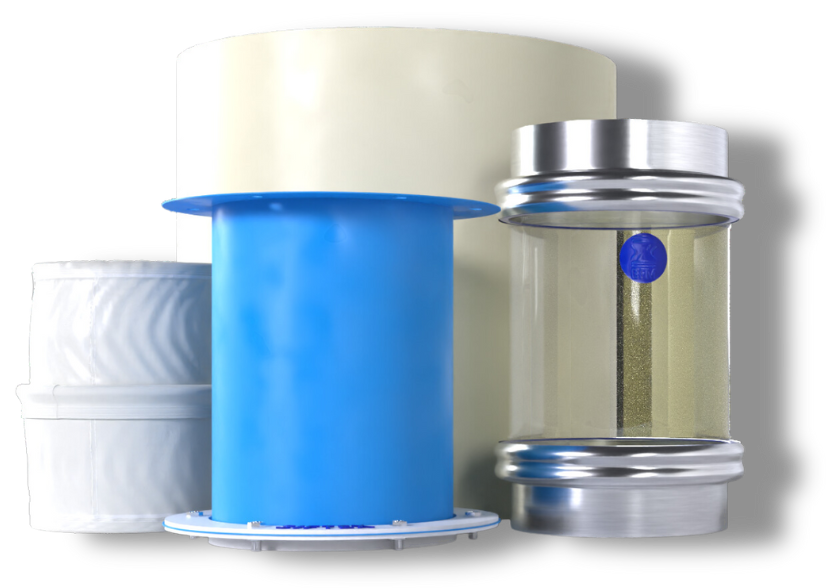
Three industrial filter cartridges in blue, white, and metallic silver arranged side by side

Start Your Custom Project With Us Today

Embark on a journey to innovate and excel with our tailor-made industrial solutions. Connect with our experts now to elevate your operations with customized, precision-engineered products.


Contact Us
Abstract pattern of blue, gold, and orange dots arranged in a curved grid on a white background

Frequently Asked Questions

  • How do filter bags contribute to environmental compliance in industries?

    They play a crucial role in reducing air pollutants, meeting environmental regulations.

  • Can filter bags be tailored for specific industrial applications?

    Yes, they can be customized in size and material to align with different industrial needs and processes.

  • What factors determine the choice of material for filter bags?

    The material choice depends on the specific industrial application, considering factors like temperature, chemical exposure, and particle size of the pollutants.

  • How often should filter bags be replaced in industrial settings?

    Replacement frequency varies based on usage, pollutant type, and operational conditions. Regular inspections and maintenance schedules are crucial for optimal performance.

View FAQ